72-Hour Bug Out Bag Checklist
The complete guide to building your emergency evacuation kit. Track your progress, get gear recommendations, and be ready for anything.
Water & Hydration
Stay hydrated with filtration and storage solutions
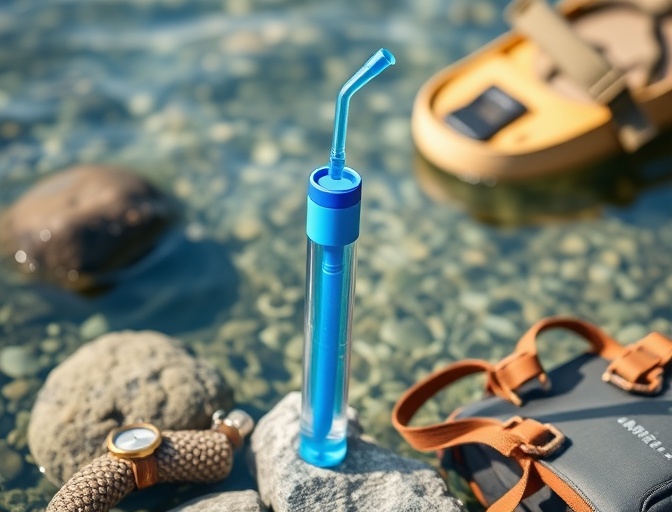
Water Filter
essential3 ozPortable filtration system for purifying water from any source
Water Purification Tablets
essential1 ozBackup chemical treatment for water purification
Water Bottles/Containers
essential6 ozDurable containers for carrying filtered water (2-3 liters capacity)
Collapsible Water Bladder
important2 ozLightweight expandable water storage for base camp
Food & Nutrition
72 hours of calorie-dense, lightweight food
Freeze-Dried Meals
essential24 oz3-day supply of lightweight, calorie-dense meals
Energy Bars
essential12 ozHigh-calorie bars for quick energy on the move
Trail Mix & Nuts
important8 ozCalorie-dense snacks with protein and healthy fats
Cooking Stove
important9 ozCompact stove for heating water and cooking meals
Mess Kit & Utensils
important6 ozLightweight pot, cup, and spork for meal preparation
Shelter & Sleep
Protection from the elements and rest essentials
Bug Out Bag/Backpack
essential48 oz45-65L tactical backpack with MOLLE webbing
Emergency Bivvy
essential4 ozCompact emergency sleeping bag that reflects body heat
Tarp/Shelter
essential16 ozWaterproof tarp for overhead protection and ground cover
Paracord (50-100ft)
essential8 ozMulti-purpose cordage for shelter building and repairs
Sleeping Pad
important14 ozInsulated pad for ground insulation and comfort
Fire & Warmth
Multiple fire-starting methods for any condition
Ferro Rod Fire Starter
essential3 ozPrimary fire starting tool - works in any weather
Stormproof Matches
essential2 ozWaterproof matches that burn even when wet
Lighter (Windproof)
essential1 ozBackup fire source - butane or plasma lighter
Tinder (Fatwood/Cotton)
important4 ozFire-starting material for wet conditions
Emergency Blanket
essential2 ozMylar blanket for heat retention and signaling
Tools & Equipment
Essential tools for survival tasks
Fixed Blade Knife
essential10 ozFull-tang survival knife for batoning, cutting, and processing
Multi-Tool
essential9 ozVersatile tool with pliers, screwdrivers, and more
Headlamp
essential3 ozHands-free lighting with multiple modes
Duct Tape
important2 ozWrapped around water bottle or lighter for repairs
Work Gloves
important4 ozDurable gloves for handling rough materials
Communications & Navigation
Stay informed and find your way
Emergency Radio
essential12 ozHand-crank/solar radio with NOAA weather alerts
Two-Way Radios
important16 ozFRS/GMRS radios for group communication
Compass
essential2 ozReliable baseplate compass for navigation
Local Maps
essential4 ozWaterproof topographic maps of your area
Signal Mirror & Whistle
important2 ozEmergency signaling devices for rescue
Medical & First Aid
Treat injuries and manage health emergencies
First Aid Kit
essential24 ozComprehensive kit with trauma supplies and medications
Prescription Medications
essentialVaries7-day supply of any required medications
Tourniquet
essential3 ozCAT or SOFT-T tourniquet for severe bleeding
Israeli Bandage
essential4 ozEmergency trauma dressing for wounds
Pain Relievers & Medications
important4 ozIbuprofen, antihistamines, anti-diarrheal
Power & Electronics
Keep devices charged and operational
Solar Charger/Power Bank
important12 ozPortable power for charging devices
Extra Batteries
important4 ozSpare batteries for headlamp and devices
USB Cables
important2 ozCharging cables for your devices
Documents & Cash
Essential documents and emergency funds
ID Copies
essential1 ozCopies of driver's license, passport, insurance cards
Emergency Cash
essential1 oz$200-500 in small bills for emergencies
Emergency Contact List
essential0.5 ozWritten list of important phone numbers
Waterproof Document Bag
important2 ozProtection for important papers
Hygiene & Sanitation
Stay clean and prevent illness
Biodegradable Soap
important2 ozMulti-use soap for body, dishes, and clothes
Wet Wipes
important4 ozBody wipes for waterless cleaning
Toilet Paper
important4 ozCompressed or regular TP in waterproof bag
Toothbrush & Toothpaste
optional2 ozTravel-size dental hygiene essentials
Hand Sanitizer
important3 ozAlcohol-based sanitizer for hand hygiene
Bug Out Bag Tips
Expert advice for building and maintaining your emergency kit
Weight Matters
Keep your total pack weight under 25% of your body weight. A 150lb person should aim for under 37.5 lbs.
Rotate Supplies
Check expiration dates every 6 months. Rotate food, water, batteries, and medications regularly.
Test Your Gear
Practice using every item in your bag. A tool you can't use is dead weight in an emergency.
Personalize It
Add items specific to your needs: medications, glasses, pet supplies, baby items, etc.
Know Your Routes
Plan multiple evacuation routes and practice them. Know where you're going before disaster strikes.
Family Plan
Each family member should have their own bag. Distribute weight and ensure everyone can carry their load.
Ready to Compare Gear?
Check out our detailed gear comparison tables to find the best products for your bug out bag.
Affiliate Disclosure: As an Amazon Associate, we earn from qualifying purchases. This helps support our site at no additional cost to you.